BugHerd alternatives: 8 tools compared for 2026

What’s in this article
BugHerd is a visual feedback tool that pins comments to page elements and tracks them on its own board. Teams consider a BugHerd alternative when they need Jira, Linear, Asana or ClickUp without its $150-a-month Premium plan.
Other reasons to look include the member cap on every plan, the lack of a free plan, and no documented console log capture. This guide compares eight alternatives, says which of those limits each one removes, and notes where BugHerd is still the better choice. Prices and limits come from each vendor’s own pricing or feature page, checked in October 2026. Vendors change plans often, so confirm current prices on their site before you decide.
Key takeaways
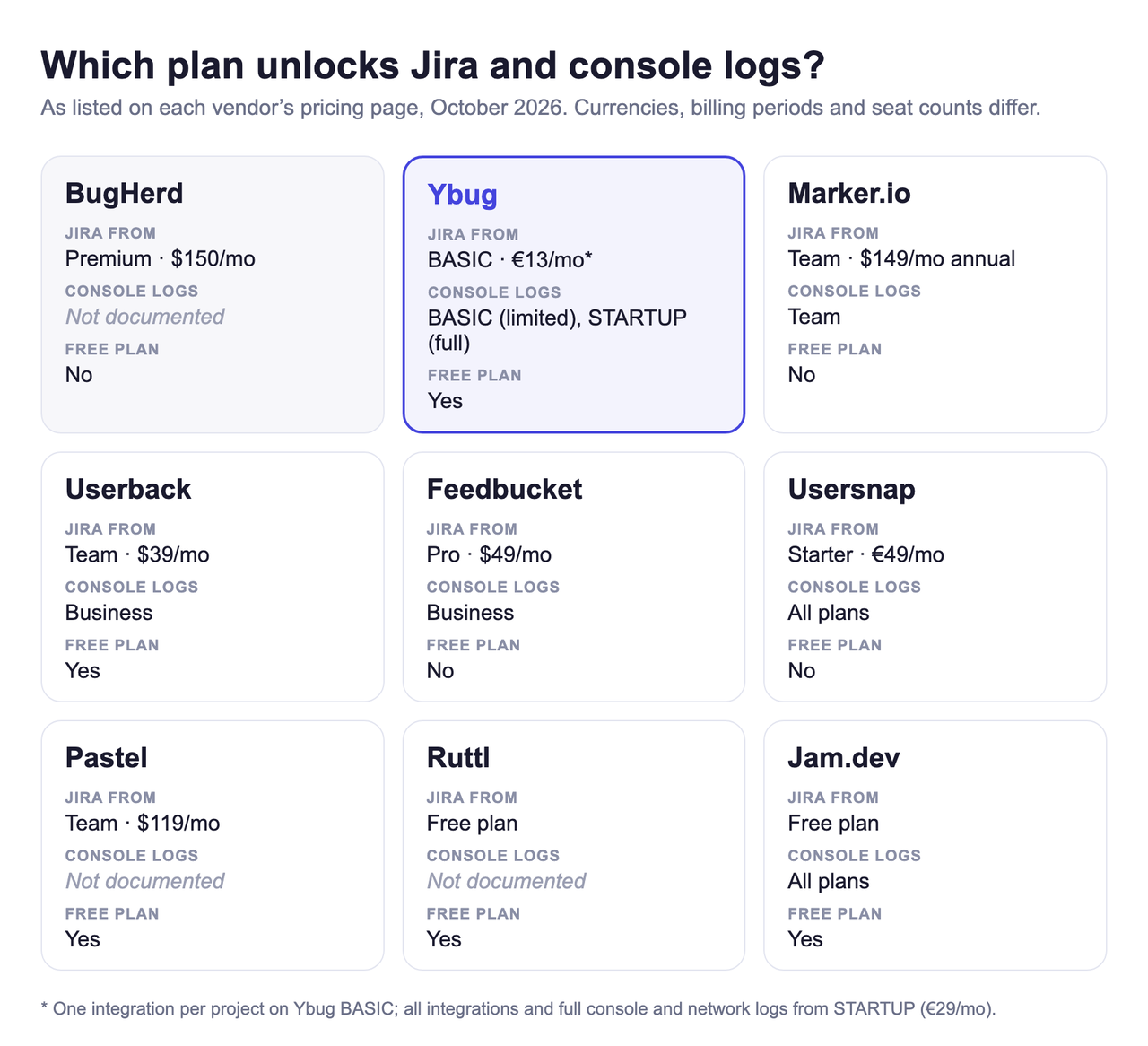
- BugHerd connects to Jira, Linear, Asana, ClickUp, Monday.com and Teamwork only on Premium, which costs $150 a month or $125 a month billed annually.
- Every BugHerd plan includes a fixed number of members, and each extra member costs $8 a month, or $6.60 billed annually.
- BugHerd has no free plan. Ybug, Userback, Pastel, Ruttl and Jam all offer one, each with limits.
- Console logs are where the tools differ most. Ybug (limited on BASIC), Usersnap and Jam capture them from their cheapest paid plan; Marker.io, Userback and Feedbucket keep them for a higher tier; BugHerd’s pages do not document them.
- BugHerd remains a good fit for teams that want feedback pinned to page elements, a built-in task board, and unlimited projects on every plan.
How do the alternatives compare?
The table compares the points that usually decide a switch: how the price grows with the team, the cheapest paid plan, whether a free plan exists, which plan captures console logs, and which plan first connects Jira. Most of these tools also let clients report from the page without an account; the entries below note where that differs.
| Tool | Best for | Pricing model | Paid plans from | Free plan | Console logs | Jira from |
|---|---|---|---|---|---|---|
| BugHerd | Element pinning, built-in board | Tiers + paid extra seats | $50/mo ($42 annual) | No | Not documented | Premium, $150/mo |
| Ybug | Flat price, tracker handoff | Flat per plan | €13/mo | Yes | BASIC (limited), STARTUP (full) | BASIC, €13/mo* |
| Marker.io | Larger teams, Jira sync | Tiers + extra users | $39/mo annual | No | Team | Team, $149/mo annual |
| Userback | Free plan, Jira early | Seat tiers | $39/mo ($29 annual) | Yes | Business | Team, $39/mo |
| Feedbucket | Agencies, many projects | Member tiers | $49/mo ($39 annual) | No | Business | Pro, $49/mo |
| Usersnap | Product discovery | Project tiers | €49/mo | No | All plans | Starter, €49/mo |
| Pastel | Design and copy review | User and canvas tiers | $35/mo ($29 annual) | Yes | Not documented | Team, $119/mo |
| Ruttl | Small teams on a budget | Per user | $18/user/mo | Yes | Not documented | Free |
| Jam.dev | Internal dev and QA | Per creator | $14/creator/mo annual | Yes | All plans | Free |
 Ybug
Ybug*One integration per project on BASIC; all integrations, plus full console and network logs, from STARTUP (€29/mo).
Prices checked on each vendor’s pricing page in October 2026, excluding tax. They may have changed since; check the vendor’s site for current figures.
Why consider a BugHerd alternative?
BugHerd’s pricing page shows four limits worth checking against how your team works.
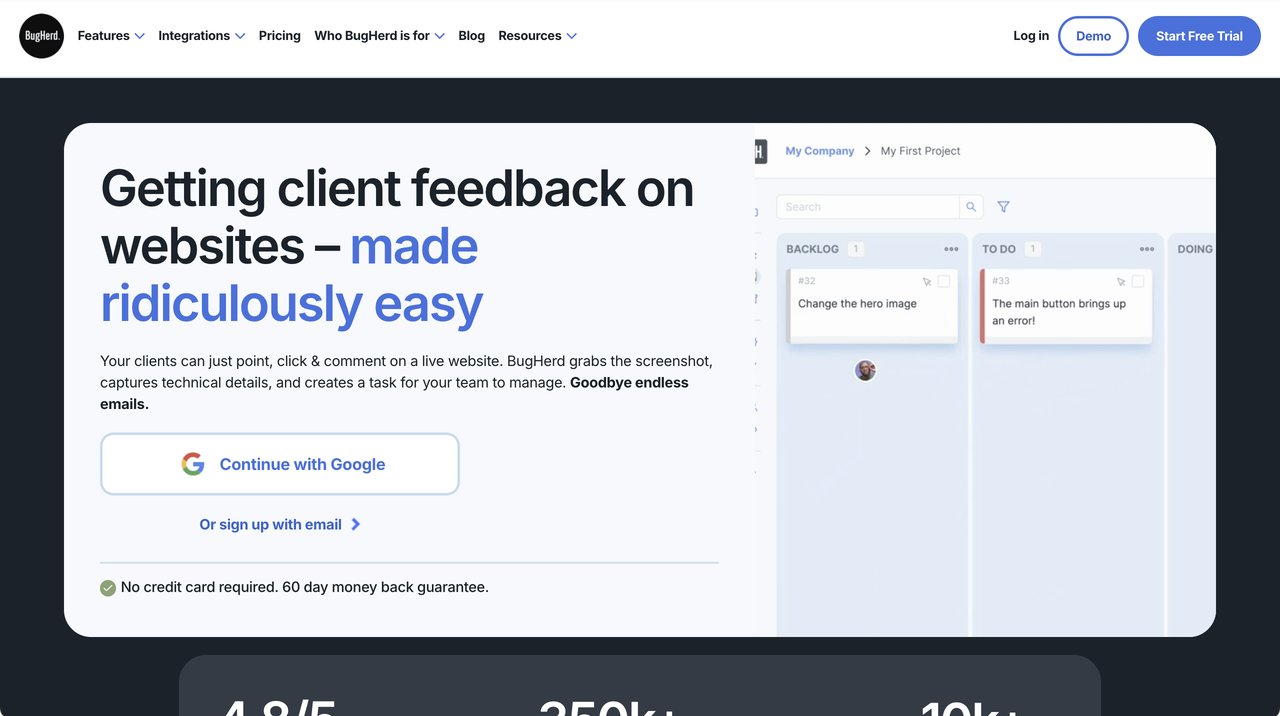
1. The issue tracker integrations are Premium-only. Standard ($50 a month, 5 members) and Studio ($80 a month, 10 members) connect to Trello, Slack, Microsoft Teams, GitHub, Zapier and Make. Jira, Linear, Asana, ClickUp, Monday.com and Teamwork require Premium at $150 a month ($125 billed annually). A five-person team that tracks work in Jira pays for the 25-member plan to connect it.
2. Members are capped per plan. Standard includes 5 members, Studio 10 and Premium 25. Each member beyond that costs $8 a month, or $6.60 billed annually. Guests who only leave feedback are free and unlimited.
3. There is no free plan. BugHerd offers a free trial and a 60-day money-back guarantee, but no plan that stays free.
4. Console logs are not documented. BugHerd’s features page lists the browser, operating system, screen resolution and the element each comment is pinned to. Its feature pages and help center do not describe JavaScript console capture. For developers, the console error is often the fastest route to the cause of a bug.
When is BugHerd still the right choice?
BugHerd does some things that most alternatives in this list do not:
- Feedback pinned to page elements. A comment stays attached to the element it refers to on the live page. Most widget-based tools, Ybug included, attach feedback to an annotated screenshot instead.
- The board is the tracker. A team without Jira or ClickUp has a complete workflow on day one.
- Unlimited projects and guests on every plan. Agencies running dozens of client sites do not hit a project cap, and clients never count toward the bill.
If that describes your team and you do not need Jira or console logs, staying on BugHerd is a reasonable decision.
Is there a free BugHerd alternative?
Yes. Five tools in this list have a free plan:
- Ybug FREE: 1 project, 1 member, 50 screenshots a month. Reports include an annotated screenshot with browser, OS and URL details. Console logs and integrations start on the paid plans.
- Userback Free: 2 seats and 2 projects. Feedback older than 7 days is locked until you upgrade.
- Pastel Free: 1 user and 1 active canvas, with unlimited reviewers and comments.
- Ruttl Basic: 1 project, 5 pages and 10 comments, with Jira, Asana, Trello and Slack included.
- Jam Free: 30 captures a month with console and network logs, for internal teams that install its browser extension.
These plans suit trying a tool or running a low-volume project. Each caps something, whether projects, users, volume or feedback history, so check the cap against your workload.
The 8 best BugHerd alternatives in 2026
1. Ybug
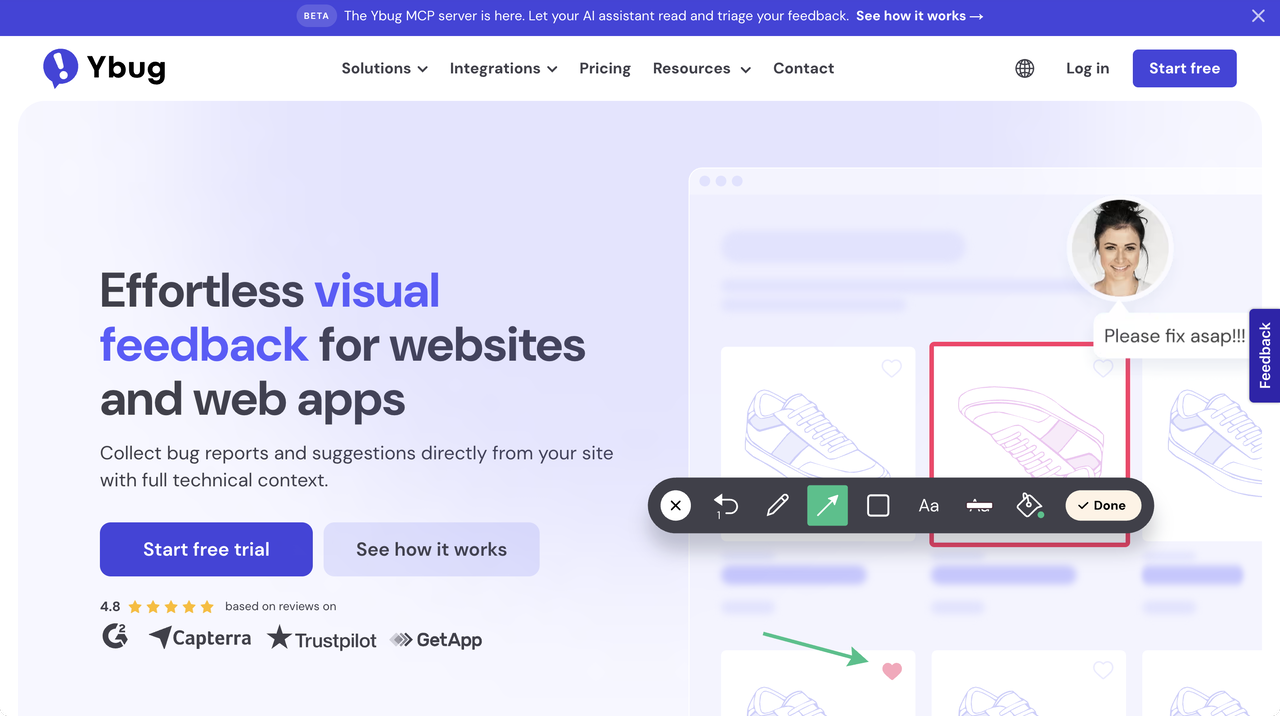
Ybug adds a feedback button to your site with one JavaScript snippet. Reporters draw on a screenshot of the page and submit, with no account. Each report arrives with the browser, OS, screen size and URL, and on paid plans with the JavaScript console log. The report then goes to Jira, Linear, Asana, ClickUp, GitHub or any of 25+ integrations, automatically or after review in the Ybug dashboard.
Pricing: flat per plan, with no billing for extra seats. BASIC costs €13 a month (3 members, 3 projects), STARTUP €29 (7 members, 7 projects) and COMPANY €59 (15 members, 15 projects). Yearly billing is 20% cheaper. Reporters are unlimited on every plan. Free plan: yes. The trial lasts 10 days on the plan you choose.
Solves: tracker access at a lower price, console logs, and the missing free plan. BASIC connects one tracker per project, Jira included, with limited console recording. STARTUP connects all integrations and adds full console and network logs, webhooks and screen recording.
Trade-off: each plan caps both members and projects. Ybug does not bill per extra seat, but a team that outgrows its plan moves to the next one, and extra projects are available only on COMPANY (€3 each). BugHerd’s plans have no project cap. Ybug annotates a screenshot rather than pinning to a page element, and console logs come from the website widget; the browser extension captures screenshots only. See Ybug vs BugHerd for the full comparison.
Send feedback to Jira with full console and network logs, from €29 a month.
(no credit card needed)
2. Marker.io
Marker.io is a website feedback widget with two-way sync to Jira and other trackers. Reporters are unlimited and need no account; a separate “guest” role, with more access, is capped per plan.
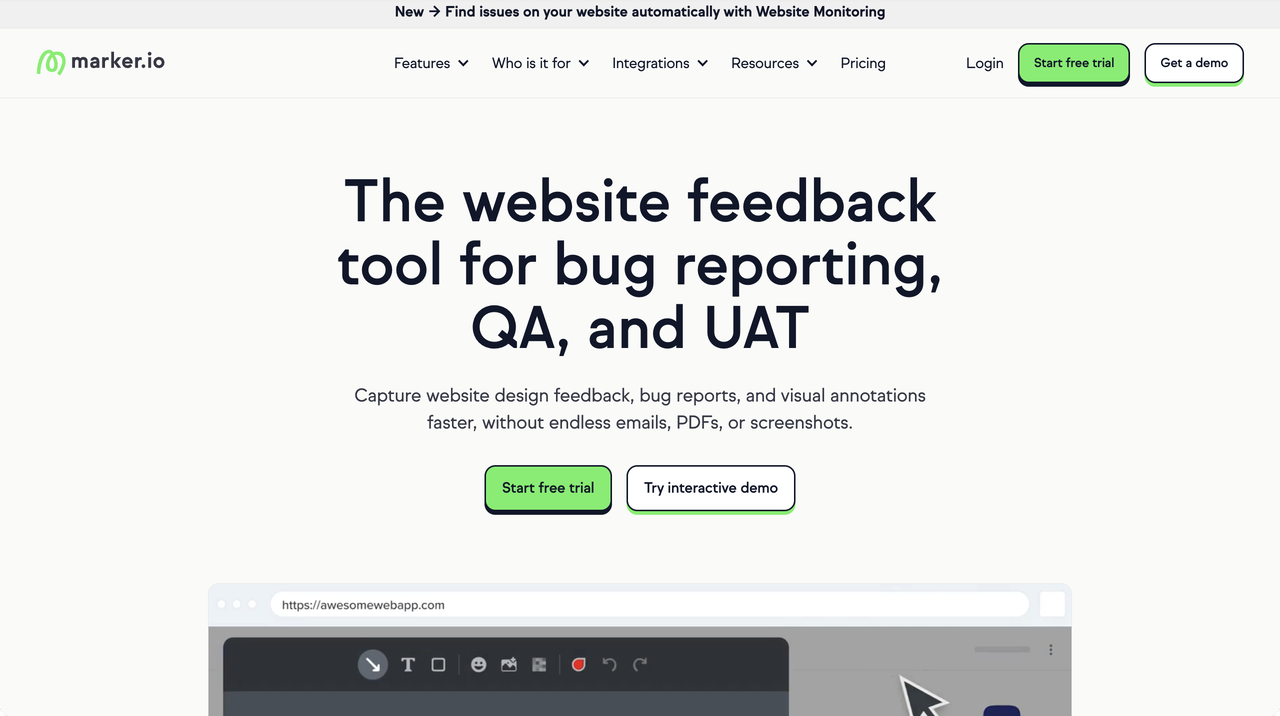
Pricing: tiered by users. Starter costs $39 a month billed annually (3 users, up to 10 projects). Team costs $149 a month billed annually (15 users, up to 50 projects). Eligible small agencies can apply for an Agency plan at $129 a month, or $99 billed annually, with 15 members and 50 projects; the pricing page does not list which features it includes. Monthly prices for Starter and Team are not listed. Free plan: no. The trial lasts 15 days.
Solves: console logs, network requests and session replay, from the Team plan.
Trade-off: on the standard plans, Jira and issue sync also start on Team, which costs more than BugHerd Premium billed annually. Agencies should ask whether the Agency plan includes Jira before comparing. See Ybug vs Marker.io.
3. Userback
Userback collects visual feedback and bug reports through an on-site widget. Reporters do not need a seat.
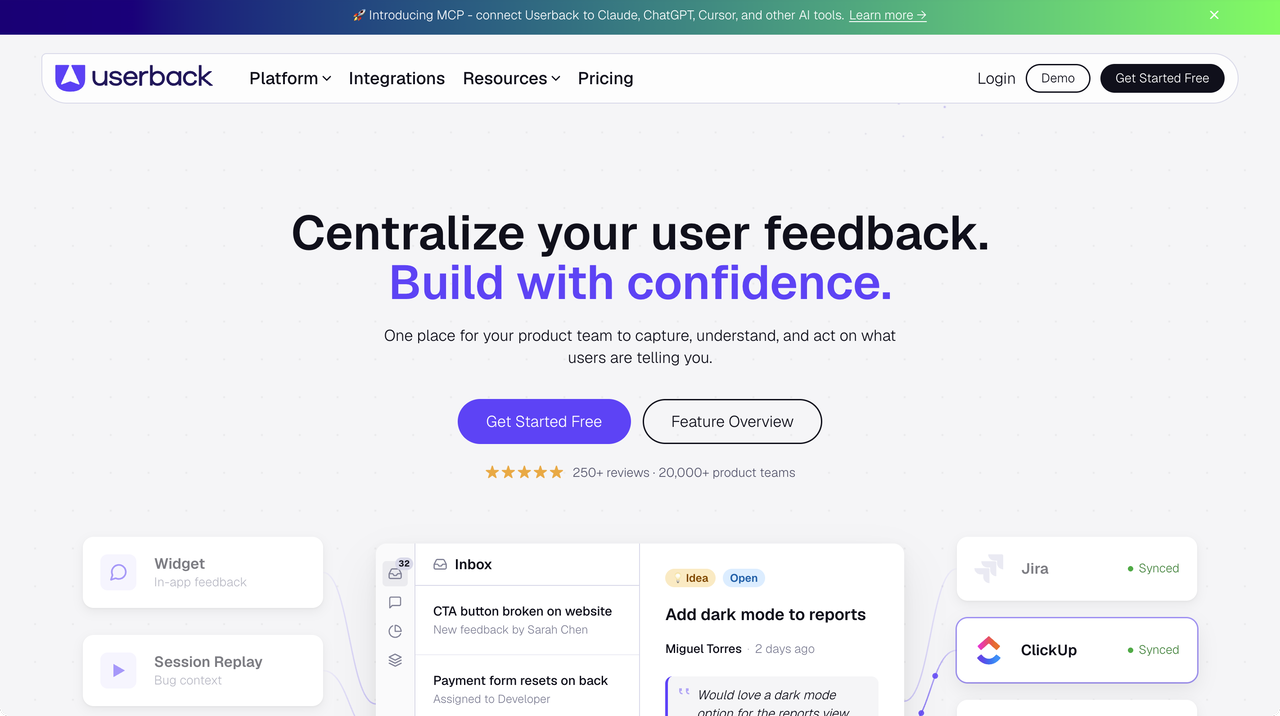
Pricing: tiered by seats. Team costs $39 a month or $29 billed annually (5 seats, 5 projects), and includes two-way Jira and ClickUp sync. Business costs $99 a month or $79 billed annually, with unlimited seats and 25 projects. Free plan: yes, with feedback locked after 7 days.
Solves: Jira on the cheapest paid plan, a free plan, and unlimited seats on Business.
Trade-off: console logs and network requests are a Business feature, so a team that needs both Jira and console logs pays $79 to $99 a month. See Ybug vs Userback.
4. Feedbucket
Feedbucket is built for agencies collecting client feedback on websites. Like BugHerd, it has no project cap, and clients report without an account.
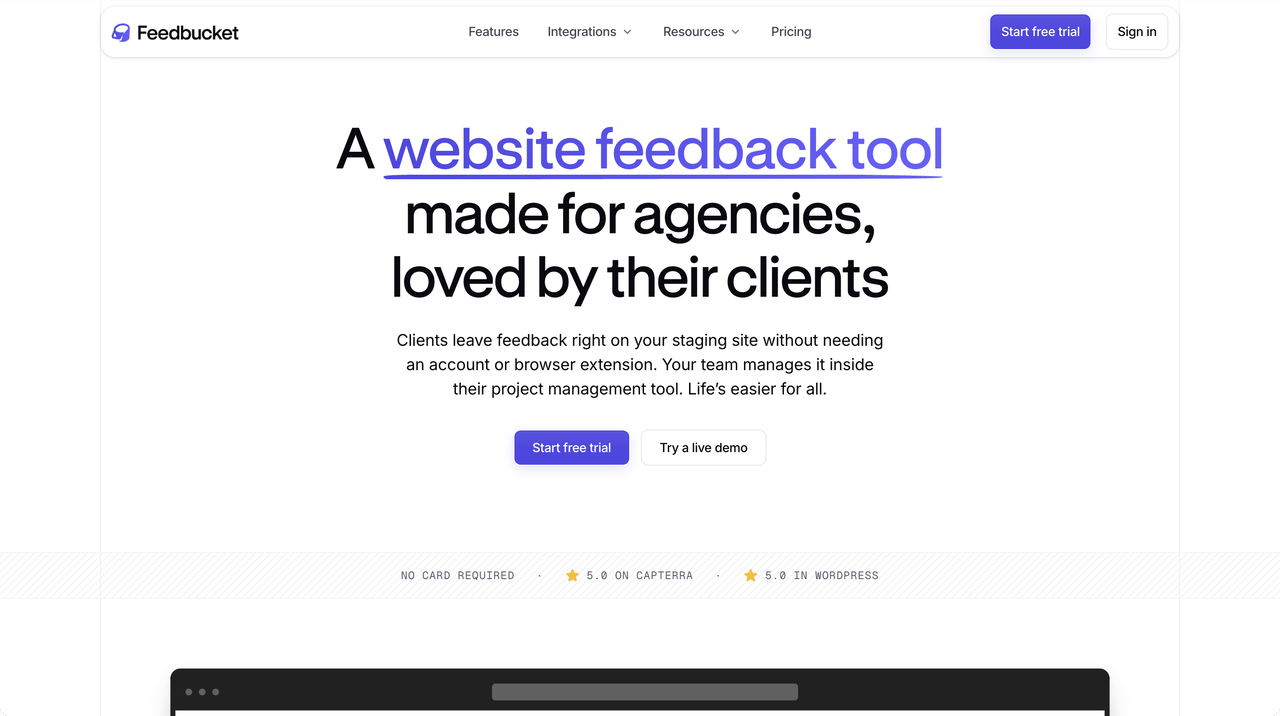
Pricing: tiered by members, unlimited projects on every plan. Pro costs $49 a month or $39 billed annually (2 members) and includes Jira, ClickUp, Asana and Linear. Business costs $89 a month or $72 billed annually (25 members). Free plan: no. The trial lasts 14 days.
Solves: tracker integrations without a premium tier, and console logs on Business.
Trade-off: Pro includes only 2 members, so most teams of three or more start on Business. See Ybug vs Feedbucket.
5. Usersnap
Usersnap started as a screenshot feedback tool and now positions itself as a product-discovery platform, with surveys, announcements and AI analysis next to bug reporting.
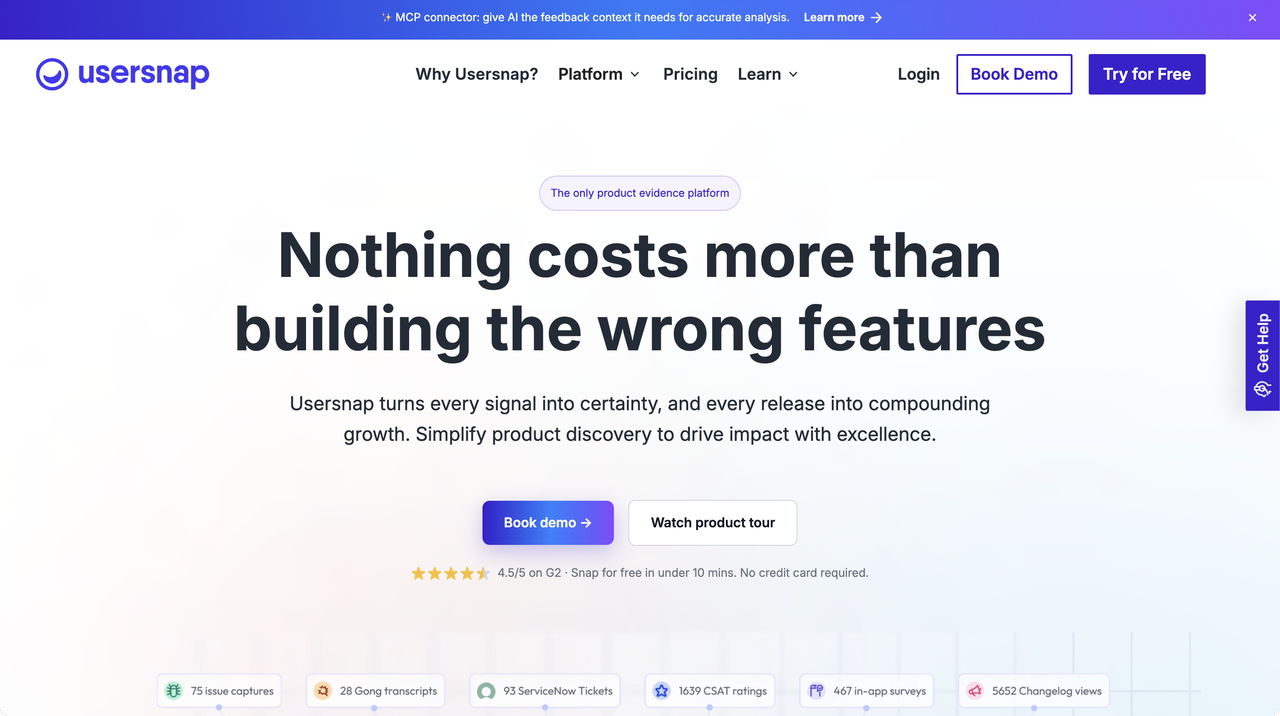
Pricing: tiered by projects. Starter costs €49 a month (2 seats, 2 projects). Growth costs €129 a month with unlimited seats and 10 projects. Console logs and two-way Jira sync are on every plan. Free plan: no. The trial unlocks a free month of Premium after you set up 2 channels and collect 20 feedback items.
Solves: Jira and console logs from the first plan, and unlimited seats from Growth.
Trade-off: Starter’s 2 seats and 2 projects are tight, and much of the product is aimed at product research rather than website QA. See Ybug vs Usersnap.
6. Pastel
Pastel is a review tool for website designs and copy. Reviewers comment on a live or staging site without an account, and every plan includes unlimited reviewers and comments.
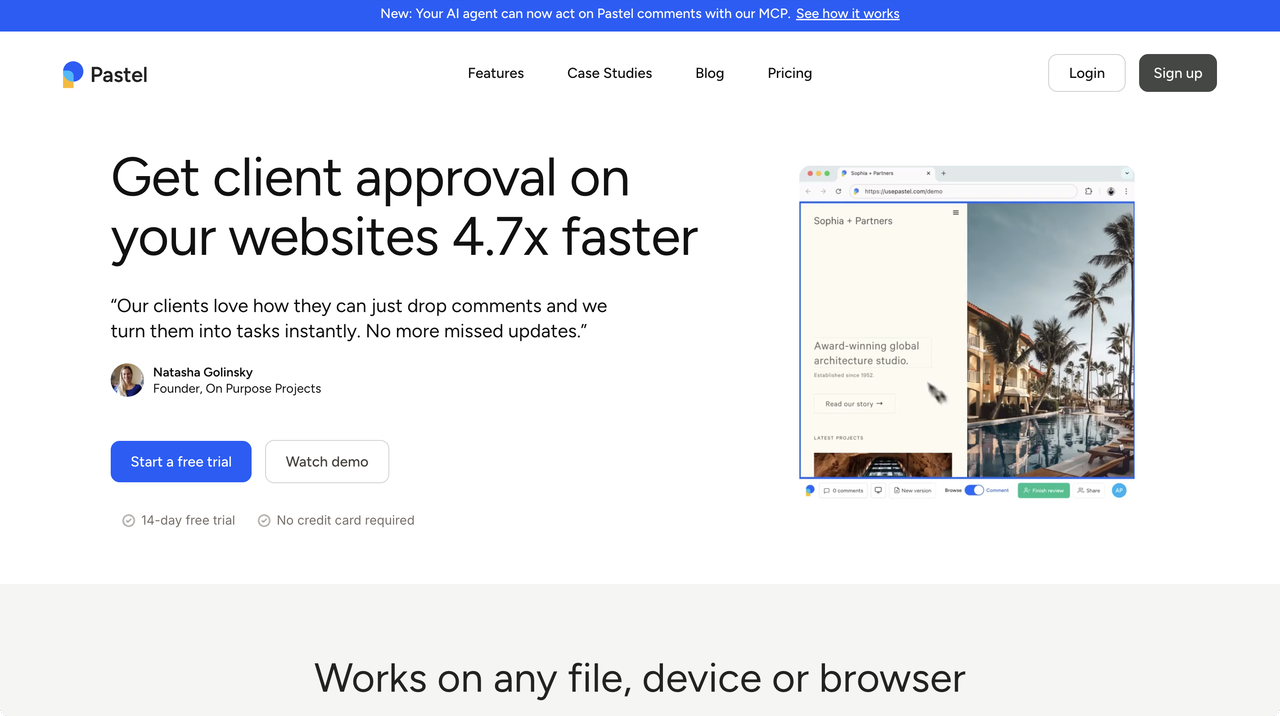
Pricing: tiered by users and canvases. Pro costs $35 a month or $29 billed annually (2 users, 3 canvases). Team costs $119 a month or $99 billed annually (5 users, unlimited canvases). Free plan: yes, 1 user and 1 active canvas. The trial lasts 14 days.
Solves: a free plan, and a lower entry price than BugHerd.
Trade-off: integrations, including Jira, start on Team, and console log capture is not documented. Pastel suits design review better than bug reporting. See Ybug vs Pastel.
7. Ruttl
Ruttl lets teams and clients leave comments on live web pages.
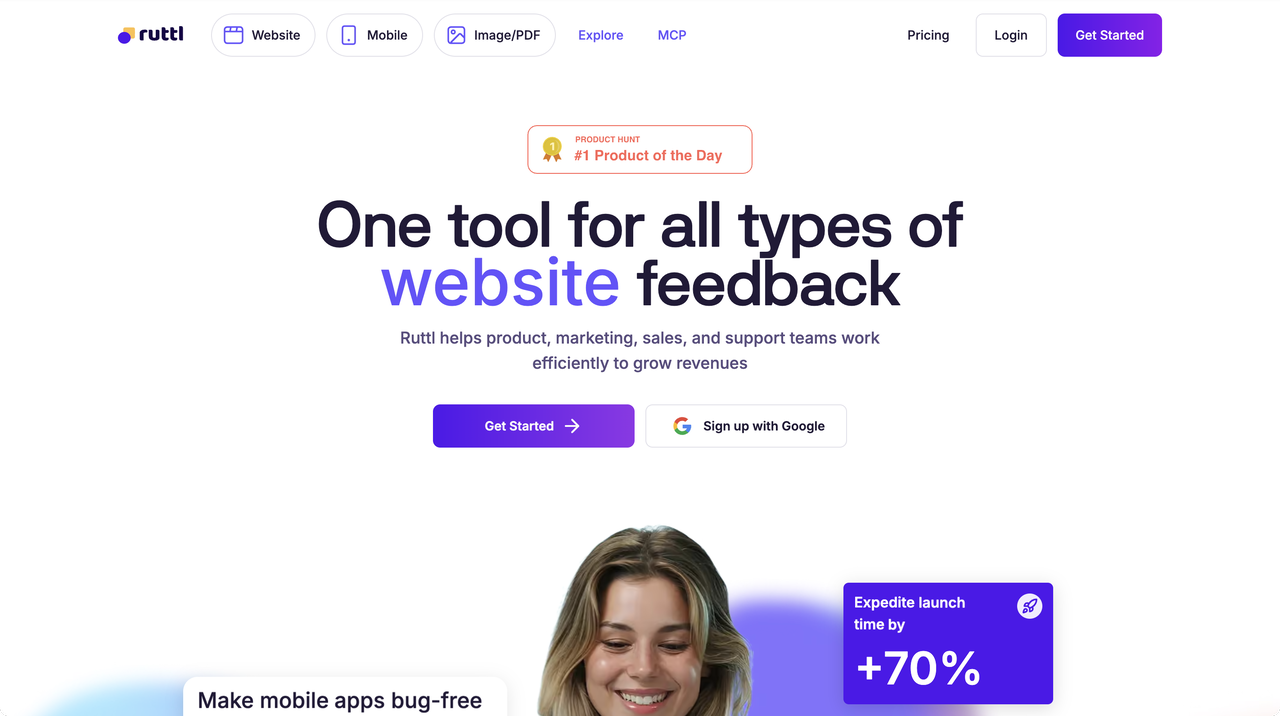
Pricing: per user. Pro costs $18 per user a month, with unlimited projects and unlimited guests. Free plan: yes, Basic, with 1 project, 5 pages and 10 comments, and Jira, Asana, Trello and Slack included. The pricing page is inconsistent on Basic guests: the plan card says unlimited, the comparison table says up to 5.
Solves: Jira without a premium tier, and a free plan.
Trade-off: per-user pricing grows with every team member, and console logs are not documented as automatic capture. See Ybug vs Ruttl.
8. Jam.dev
Jam is a browser extension that captures a screenshot or recording with console logs, network requests and device details in one click.
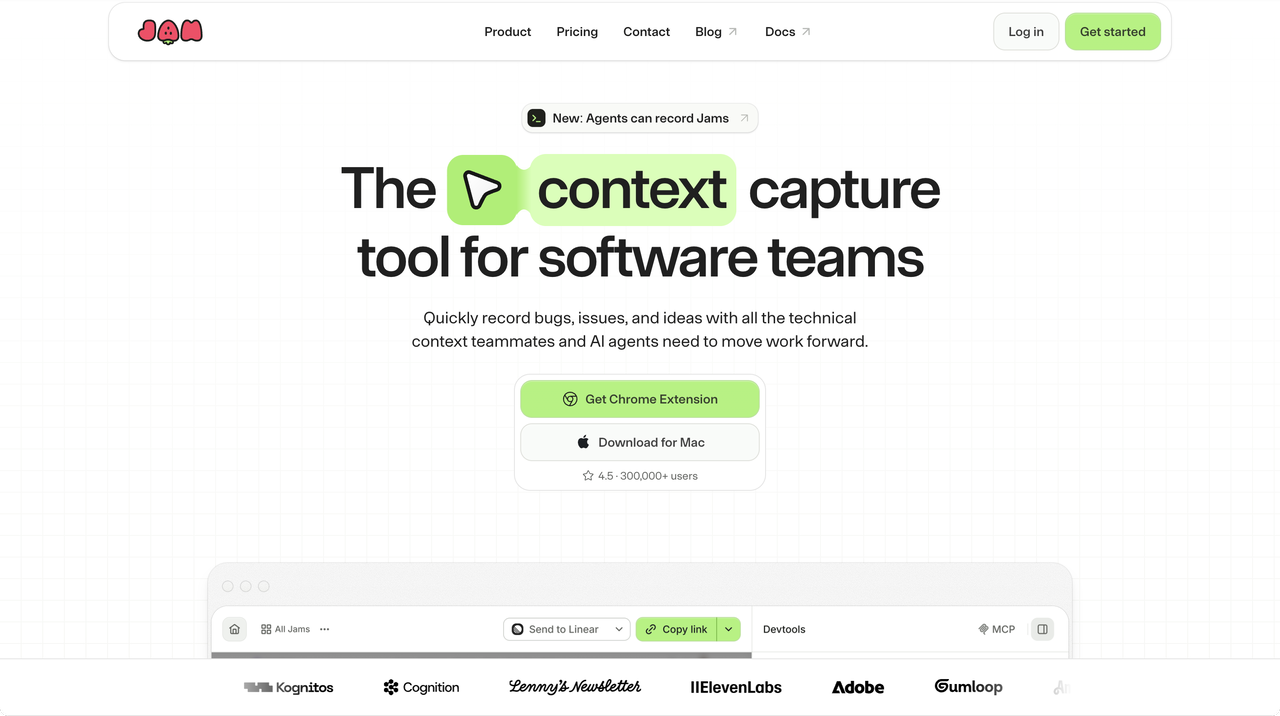
Pricing: per creator. Team costs $14 per creator a month billed annually. Free plan: yes, 30 captures a month, with Jira and Linear included. The Team trial lasts 14 days.
Solves: console and network logs on every plan, including Free, and Jira without a premium tier.
Trade-off: Jam is not an on-page widget. Reporters install the extension, or you send a Recording Link (5 a month on Free, 150 on Team). That works well for developers and QA, and less well for clients reporting on a staging site. See Ybug vs Jam.
How do you switch from BugHerd to Ybug?
Replace the BugHerd script with the Ybug snippet, then connect your tracker in the project’s integration settings and choose whether reports go to it automatically or after review. Ybug does not import BugHerd tasks, so finish or move the open ones before you cancel. Clients can still report without an account; the difference they notice is drawing on a screenshot instead of pinning a comment to an element. The Ybug vs BugHerd page compares the two in detail, and the Jira integration page shows what arrives on each issue.
For a wider look at the category, see the guide to the best bug tracking software.
Connect your tracker, keep the console log, pay one flat price.
(no credit card needed)


![Best bug tracking software & tools [2026 comparison]](https://ybug.io/images/blog/featured/best-bug-tracking-software.avif)